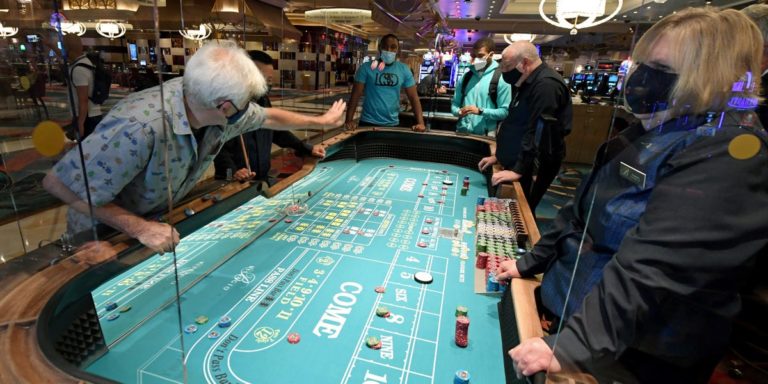
Poker demands patience and precision more than any other card game in the casino, and at Betsomnia Casino the digital tables give you a real chance to apply structured thinking instead of leaning on impulse https://betsomniacasino.eu/. Plenty of players sit down at cash games or tournaments knowing roughly how hands rank, but without a clear plan for bet sizing, position, or reading opponents. That approach drains a bankroll fast. Here is a practical strategic backbone you can use right now: how to pick starting hands based on table position, adjust aggression according to stack depth and opponent tendencies, and handle variance over a session. We will also cover the poker variants on the platform, how the welcome offer and ongoing promos can support a careful bankroll strategy, and how the software tools (fast-fold, mobile stability) affect your decisions. When you are done, you will have a concrete plan you can test at the tables tonight.
Capitalize on Opponent Types Using the Platform’s Tracking Tools
The capacity to categorise opponents in real time distinguishes winners from players who focus solely on their own cards. Betsomnia Casino offers you a note-taking feature and colour-coded player labels that remain linked to accounts across sessions. We categorise opponents into four broad types and adapt our strategy accordingly. First, the tight-passive player: they play few pots, rarely raise without a monster, and fold too often to aggression. Against them we boost our blind-stealing frequency, continuation bet almost any flop when they check, and fold quickly if they show resistance because their raising range is nut-heavy. Second, the loose-passive calling station: they enter flops with weak hands and avoid folding. Against this type we give up on bluffing entirely, value-bet thinner (top pair weak kicker is often good for three streets) and set our value bets larger than standard to maximise profit from their inelastic calling range.
Third, the tight-aggressive regular: they play a disciplined range, three-bet light in position, and rarely make obvious sizing mistakes. Against this profile we steer clear of large pots without a strong range advantage, steal blinds more cautiously from late position, and occasionally four-bet bluff with suited wheel aces that keep equity when called but are too weak to flat a three-bet profitably. Fourth, the loose-aggressive player: they apply pressure widely, barrel scare cards, and build chips by forcing folds. Our counter-strategy depends on trapping: calling down wider with hands that beat their bluffs, allowing them hang themselves on later streets, and occasionally check-raising the flop with strong draws plus overcards to wrest back the initiative. The player notes panel allows us to record specific tendencies like “overfolds to turn barrels on wet boards” or “delayed continuation bet on 90 percent of dry flops,” which we look at during every decision with more than a few seconds to act.
Sharpen Decision Processes with Post-Session Review
Winning poker at Betsomnia Casino hinges on the feedback loop between playing and reviewing. We allocate 20 minutes after each session to download the hand history file and label every hand where we faced a turn or river decision that needed more than five seconds. Those tagged hands are the ones where intuition faltered and where systematic leaks reside. We replay each spot asking three questions: what range did I attribute to the opponent given their prior actions, did my bet size align with the equity my hand held against that range, and would a different line have secured more value or lost less? The platform’s replayer tool allows us traverse hands street by street with all hole cards visible, which transforms vague recollections into an exact record of stack sizes, timing tells, and bet patterns.
Trends that emerge across twenty such reviews often uncover a single fixable flaw: overvaluing top pair in three-bet pots, folding too often to river overbets when the opponent’s line includes a credibility gap, or missing thin value bets on safe rivers against passive opponents. We record the specific adjustment we intend to apply, for example, “call river overbets when the opponent’s turn and river sizing is inconsistent with a value hand,” and set that note where we will see it during the next session. This deliberate iteration turns generic poker theory into personal tactical improvements. The player community at Betsomnia Casino also includes forums and chat channels where regulars share hand histories for feedback; external eyes identify rationalisations that self-review sometimes misses. A monthly review of tagged hands combined with bankroll tracking data provides you an objective measure of progress that neither short-term results nor gut feeling can supply.
Create a Structured Bet-Sizing Framework
Pre-Flop Raise Structures
Normalizing your preflop raise sizes eliminates guesswork and safeguards your hand strength information. At cash tables we utilize a baseline open of 2.5 to 3 times the big blind from all positions, adding about one big blind per limper already in the pot. When facing a three-bet, we four-bet with premium hands to about 2.3 times the three-bet size when in position, and a bit larger out of position to discourage calls that leave us playing streets without initiative. The key discipline is avoiding the temptation to open smaller “just this once” with marginal hands; observant opponents on Betsomnia Casino notice size tells quickly, and a sudden undersized open from middle position screams weakness that invites aggressive three-betting. In tournaments the effective stack depth shrinks as blinds escalate, so we lower our standard open to around 2.2 big blinds when stacks dip below 40 big blinds, and switch to a min-raise or open-shove approach below 20 big blinds depending on the exact stack size and the opponents behind us.
Postflop Sizing on Different Board Textures
Postflop bet sizing must react directly to board texture and the range advantage you hold. On dry boards, think king-seven-deuce rainbow, a continuation bet of around 30 to 40 percent of the pot gets the same folds as a larger bet because missed hands simply have no equity to continue. On coordinated boards like jack-ten-nine with a flush draw, we size up to 65 to 75 percent when we hold a strong but vulnerable hand, taxing draws and weaker made hands that cannot fold to one bet. When the turn brings a card that strongly favours your range, for example a low brick on a board where you hold the overpair, we frequently barrel for 50 to 60 percent of the pot to pressure capped ranges. The river is where sizing polarises: with the nuts or a near-nut hand we can overbet up to 150 percent of the pot against opponents we have marked as call-happy, while with medium-strength holdings we often opt for a small block bet of 25 to 35 percent to set the price for showdown cheaply. These patterns become second nature faster if you analyze your marked hands after each session using the hand history tool Betsomnia Casino provides.
Use Mobile and Multi-Table Features to Enhance Focus, Not Distraction
Betsomnia Casino’s poker client functions natively on phones and tablets, with no feature downgrade that impairs your decision-making. We utilize the mobile app primarily for single-table sessions where we can monitor opponents closely and take detailed notes; the smaller screen naturally discourages multi-tabling sprawl, which often improves win rate for many players who overestimate their capacity for simultaneous tables. The app retains access to hand history, note-taking, and the fast-fold queue, so you lose none of the strategic infrastructure when playing away from a desktop. Connection stability is crucial for timing decisions, and the mobile client handles brief network dips by extending the time bank briefly, though we suggest playing on a stable Wi-Fi or 5G connection during tournaments where a disconnect eliminates a premium hand or compels an unwanted fold in a big pot.

On desktop, multi-tabling serves as a tool for volume, but we cap tables at four unless you have confirmed through session tracking that your win rate does not decline beyond that number. Adding tables beyond your processing limit turns decisions into reactive clicks instead of deliberate choices, and your edge disappears. The platform’s table tiling options allow you arrange tables in a grid or cascade, and we prefer a tiled layout where each table’s betting buttons align in the same screen zone to reduce mouse travel and misclicks. For fast-fold poker we engage in only one or two tables at a time because the accelerated hand rate already increases volume without adding parallel tables. A practical rhythm we follow is to start a session with two regular cash tables while observing, then add a third if the opponents are straightforward enough that decisions need less time-bank usage, and drop back to two when table dynamics become complex or a strong aggressive player positions to our left.
FAQ
What poker variants can I play at Betsomnia Casino?
You have access to No-Limit Texas Hold’em, Pot-Limit Omaha, and fast-fold versions of both. Cash games are available from micro to mid-stakes, and the tournament schedule includes multi-table events, Sit & Go tournaments, and progressive knockouts. The lobby displays table stats like average pot size and players per flop, so you can check before sitting down.
Is poker counted to clearing the welcome bonus?
Poker generally contributes to wagering requirements at a lower rate than slots, often 10% to 20%. So bonus funds release more slowly if you only play poker, but you can still clear the bonus passively by keeping your regular poker volume. Check the full bonus terms on the promotion page to confirm current contribution rates before depositing.
What is the minimum bankroll for cash games?
For No-Limit Hold’em, have at least 30 buy-ins for your stake. For Pot-Limit Omaha, shoot for 50 buy-ins because variance is higher. A buy-in is 100 big blinds. If your bankroll declines to around 25 buy-ins for Hold’em or 45 for Omaha, step down in stakes until it recovers.
Is it possible to take notes on opponents and track their tendencies?
Yes. The platform provides you with a note-taking panel and colour-coded labels that stay attached to player accounts across sessions. You can jot down betting patterns, fold frequencies on certain board textures, timing tells, and anything else. Checking these notes during hands helps you exploit repeatable leaks without depending on memory.
Does the mobile poker experience offer full features
The mobile client maintains hand history, player notes, fast-fold queue, and multi-table options. It operates on smartphones and tablets with a responsive layout that keeps betting controls clear. For tournament play, rely on a stable Wi-Fi or mobile data connection, since disconnections can interfere with time-sensitive decisions.
What to do when I reach a stop-loss during a session
Quit playing immediately and close the client. Our recommended stop-loss is three cash game buy-ins or five tournament buy-ins per day. You can use the platform’s responsible gaming tools to set a cool-down timer that enforces a break. Afterwards, review the tagged hands from that session to identify whether variance, tilt, or a strategic mistake caused the loss before you play again.
How does fast-fold poker change the strategy I should use
Fast-fold poker enables you to muck your hand and immediately get a fresh hand at a different table, so you can play a much tighter range and seek out prime opportunities without looking overly nitty. The tempo increases hand volume substantially, so we cap sessions at about 90 minutes, adhere to solid starting hands, and pass on marginal opportunities that would drag you out in a standard format.
Learn Positional Hand Selection From the Start
Any strong poker strategy starts with preflop hand selection adjusted to your seat at the table. At a nine-handed No-Limit Texas Hold’em table on Betsomnia Casino, we divide the seats into early position (the first three players after the blinds), middle position, and late position (cutoff and button). From early position we raise only premium hands: pairs from sevens up, suited broadway cards like ace-king and queen-jack suited, and unsuited big cards down to ace-ten. The reasoning is simple: when you act first, the likelihood that someone behind you wakes up with a stronger holding increases steeply with each player yet to act. Opening a hand like king-ten offsuit under the gun results in frequent domination by ace-king and ace-queen, or being forced off the pot by a three-bet you cannot profitably call. By keeping your early-position range narrow, you open fewer hands but win a higher percentage of the pots you enter.
As you move to middle position, you can include suited connectors like eight-seven suited, additional broadway combinations, and pairs from fives upwards. The reduced number of players behind you reduces the average strength of the hands you face, making speculative holdings profitable when combined with position on the cutoff and button. In the cutoff and on the button, your opening range expands a lot: all suited aces, suited one-gappers, unsuited connectors down to ten-nine, and any pair. The button specifically enables you steal blinds profitably with hands that would be clear folds from earlier seats, because you act last postflop and can use every check, bet, or hesitation to your advantage. We also vary opening sizes by position: raising slightly larger from early position to discourage calls that create multiway pots out of position, and sizing smaller on the button to encourage weaker hands to enter when we hold a decisive positional edge. Practice this hierarchy in the micro-stakes cash games at Betsomnia Casino until the ranges become automatic, because the mental bandwidth you free up then shifts to postflop decision-making.
Incorporate Promotions into a Safe Poker Bankroll Strategy

The welcome offer and ongoing promos at Betsomnia Casino can act as a buffer that mitigates early variance, as long as you navigate the terms attentively. A standard new-player package matches a deposit match with free spins on chosen slots, but the poker player’s focus should be the part of the bonus that is released through wagering on qualifying games. We always read the wagering percentage of poker towards wagering requirements; in many casino platforms poker qualifies at a lower rate than slots, perhaps 10% or 20%, which changes the speed at which bonus funds are released. Instead of adjusting our game selection just to satisfy a bonus faster, we consider the bonus as a passive overlay: we maintain our usual poker volume and let the wagering progress at its intended pace. The benefit arises when the unlocked bonus funds reach your cash balance and essentially increase your bankroll cushion without you changing any in-game decisions.
Besides the initial welcome offer, reload bonuses, cashback on net losses, and tournament leaderboard prizes can all improve the bottom line of a disciplined approach. Cashback deals that return a percentage of weekly net poker losses lower the effective rake and soften downswings markedly; a 10% cashback on a £200 losing week gives £20 back, which amounts to one micro-stakes buy-in. Tournament leaderboards reward volume and consistency, not just outright wins, so a frequent player who min-cashes regularly might receive free tournament tickets or bonus credit that decreases effective buy-in cost. We extract value from these systems without chasing them, implying we do not lengthen sessions unsustainably or move up stakes ahead of schedule to climb a leaderboard. The promotions page refreshes frequently, so we check it at the start of each week to note expiry dates and minimum deposit thresholds, then integrate the relevant ones into our established plan rather than restructuring the week around them.
Control Variance with Per-Session Discipline
Fund Distribution for Cash and Tournament Players
Even a solid strategy hits downswings, and weathering them depends on bankroll management rules you establish before the session. For cash game specialists on Betsomnia Casino, we maintain a bankroll of at least 30 buy-ins for No-Limit Hold’em and 50 buy-ins for Pot-Limit Omaha, owing to the higher variance in four-card games. A buy-in is the maximum you can enter with; on the platform that cap stands at 100 big blinds in standard cash games. This means if you play £0.10/£0.20 blinds, one full buy-in amounts to £20, and your dedicated cash game bankroll should be £600 or more. When you experience a downswing that reduces the roll below 25 buy-ins for Hold’em, we move down in stakes immediately. Ego causes more bankroll destruction than any strategic error. For tournament players the recommended roll is 100 to 150 buy-ins for the event type you grind regularly, because tournament variance jumps more sharply than cash game variance and the gap between min-cashes and final table scores can be huge.
Stop-Loss and Session Length Rules
We apply a stop-loss of three buy-ins for cash sessions and five tournament buy-ins for a single day of tournament play. A stop-loss is not a sign of weakness; it is a circuit breaker that stops tilt from consuming weeks of profit in one bad evening. Just as crucial is capping session length at roughly three hours for cash games without a meaningful break, because decision quality declines noticeably after prolonged concentration. The fast-fold format reduces this window further since hand volume speeds up fatigue; we limit those sessions to 90 minutes max before standing up. When a stop-loss activates, the platform’s account tools let you set time-out reminders that ensure a cooling-off gap, which we use without exception. Track your net result per session in a plain spreadsheet alongside notes on mental state and table conditions. Reviewing these records monthly reveals patterns that the hand history alone cannot capture, like regularly losing sessions when playing past midnight or after a long workday.
Modify Strategically Between Hold’em and Omaha Variants
If you switch from No-Limit Hold’em to Pot-Limit Omaha without changing how you evaluate preflop hands, you lose equity from the very first Omaha hand. In Omaha, hand strength runs much closer together preflop because four hole cards form dense combinations of draws and made hands. A bare overpair like aces without redraw potential is a hazardous holding postflop in Omaha; we handle it cautiously on most board textures and often check-fold when confronting significant aggression on coordinated boards. The starting hand selection in Omaha prioritises coordinated cards: double-suited holdings, rundowns like nine-eight-seven-six, and pairs combined with connected side cards that can create straights and flushes simultaneously. High-only rundowns with gaps decline value quickly, so we avoid hands like ace-king-nine-deuce single-suited except when stealing from late position against tight blinds.
In multiway Omaha pots, which arise much more frequently than in Hold’em due to the wider preflop calling ranges, nut-peddling becomes a practical low-variance strategy. We chase to the nut flush rather than the second-nut flush, fold non-nut straights when a flush completes, and insist on a clear equity edge before committing large stacks postflop. The fast-fold Omaha tables at Betsomnia Casino let you discard marginal combos quickly and wait for premium coordinated starting hands, which matches a patient, selection-heavy approach. Because Omaha variance runs higher, the bankroll requirements we discussed earlier become non-negotiable here; a 50 buy-in cushion gives you room to weather runs where your 60% equity hand loses three consecutive all-in situations, which happens frequently enough that unprepared players routinely abandon Omaha after one brutal session.
Grasp the Poker Scene Landscape at Betsomnia Casino
Before we examine hand charts and bet-sizing formulas, let us get a clear picture of what is actually in the poker lobby. Betsomnia Casino hosts a variety of poker formats that cater to different skill sets and bankroll sizes. The mainstays are No-Limit Texas Hold’em and Pot-Limit Omaha, both running as regular cash games and scheduled multi-table tournaments. Cash game stakes start at micro levels, so you can sit down with a modest deposit and practise the strategies we discuss without risking large amounts per hand. Tournament players will discover freezeouts, rebuys, and progressive knockout events with guaranteed prize pools that change weekly. Sit & Go tournaments begin as soon as the seats fill, spanning formats from heads-up to full nine-handed tables. If you value speed, the fast-fold poker option lets you snap into a new hand at a different table the moment you discard your cards, increasing hands per hour and cutting the wait between meaningful decisions.
In addition to the core formats, the platform also has casino mini-games and sports betting under one account balance, but we recommend keeping your poker bankroll separate. Transitioning between poker and high-volatility slots with the same funds confuses your tracking and complicates to spot leaks. The lobby interface shows table statistics, average pot size, and players per flop, which assists you scout loose-passive tables before sitting down. When choosing a cash game table, we concentrate on the flop percentage. In a full-ring game, anything above 40% usually means weak opponents who call too wide and overvalue marginal hands. The tournament schedule filter allows you sort by buy-in, format, and guaranteed prize amount, allowing you to align your session with events that fit your risk tolerance and time commitment. One structural advantage is that you are able to switch between regular sit-down poker and fast-fold poker without closing the client, allowing you to adjust to your focus level during a long evening.