The historical evolution of gambling From ancient rituals to modern practices
Origins of Gambling in Ancient Cultures
Gambling has roots that stretch deep into human history, beginning with ancient rituals that revolved around chance and fate. Archaeological findings suggest that games of chance date back to around 3000 BC, particularly in civilizations such as Mesopotamia and ancient China, where dice were carved from bones. These early forms of gambling often intertwined with religious practices, allowing participants to seek favor from the gods through games of chance.
In ancient Rome, gambling took on a more structured form, with the establishment of betting on gladiatorial combats and chariot races. This not only provided entertainment but also served as a way for the populace to engage with their heroes. As Roman culture spread throughout Europe, so too did the idea of betting on various events, which would lay the groundwork for future gambling practices.
Additionally, ancient Egyptians played games that included elements of chance, often using a board similar to modern-day backgammon. These games reflected a societal fascination with luck and destiny, illustrating how gambling was not merely a recreational activity but rather a reflection of deeper cultural beliefs about fortune and fate.
The Rise of Gambling in the Middle Ages
The Middle Ages marked a pivotal moment in the evolution of gambling, particularly with the establishment of formalized games like cards. Initially introduced from the East, card games gained popularity among the European nobility, and soon, entire communities adopted them. This period saw the birth of games such as poker and blackjack, which would evolve into the versions we recognize today.
During this time, gambling laws began to surface, as monarchs attempted to regulate and tax gambling activities. The English Parliament, for instance, enacted laws to curb excessive gambling, demonstrating how integral these practices had become to society. Despite regulatory efforts, illicit gambling flourished, showing the resilience and allure of games of chance.
The rise of public gaming houses, or early forms of casinos, also characterized this era. These establishments not only provided a venue for gambling but also offered a social space where people from various walks of life could gather. As gaming culture evolved, it fostered a burgeoning sense of community and camaraderie among players, setting the stage for modern gambling establishments.
The Modernization of Gambling in the 19th Century
The 19th century witnessed a significant transformation in gambling, largely due to the Industrial Revolution, which brought increased urbanization and disposable income. This economic shift led to the establishment of more sophisticated betting establishments, including racetracks and casinos. The first official casino opened in Venice in the early 1600s, but it was during the 1800s that gambling became more mainstream in Europe and the United States.
Moreover, the introduction of slot machines in the late 19th century revolutionized the gambling landscape. These machines provided a novel way for players to engage with luck, requiring no skill and offering an immediate payout, which appealed to a broader audience. The mechanical nature of slot machines made gambling more accessible to individuals who may not have been inclined to participate in traditional card games or betting.
During this period, gambling became a fixture in popular culture, influencing literature, theater, and eventually film. Stories of high-stakes gambling and the pursuit of fortune captivated audiences, shaping societal perceptions of luck and risk. The dichotomy of skill versus luck started to emerge, as games like poker demanded both strategy and chance, leading to discussions that continue today regarding the nature of gambling.
The Digital Age and Online Gambling
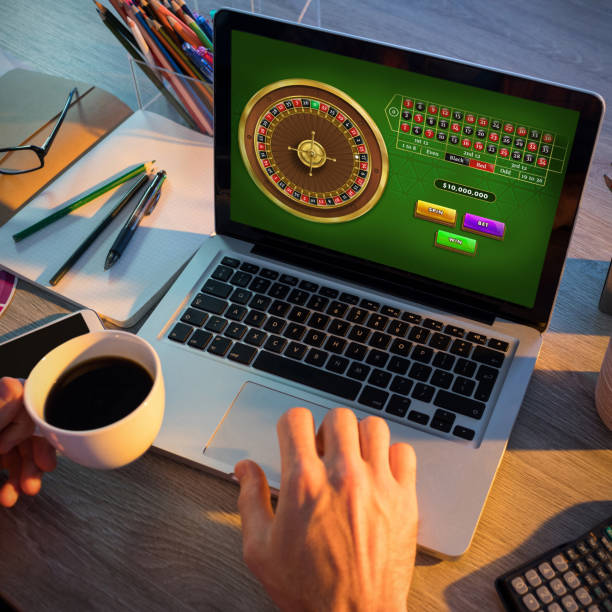
The late 20th and early 21st centuries marked the advent of the internet, fundamentally altering the gambling landscape. Online casinos emerged, allowing players to engage in gaming from the comfort of their homes. This shift democratized gambling, enabling participation from diverse demographics, regardless of location. Websites began offering a wide array of games, from slots to live dealer experiences, thus catering to varying preferences and playing styles.
Regulations also evolved to keep pace with this burgeoning industry. Many countries began establishing legal frameworks to govern online gambling, addressing concerns over addiction, underage gambling, and fairness. Licensing systems were put in place to ensure that operators adhered to high standards, thus providing players with a safer gambling environment.
Furthermore, the rise of mobile technology transformed how individuals engage with gambling. With smartphones, players can now gamble on the go, accessing their favorite games and betting platforms at their convenience. This constant connectivity has not only changed consumer behavior but also challenged traditional notions of time and space in gambling, pushing the boundaries of what it means to gamble in the modern world.
The Future of Gambling: Trends and Innovations
As we look to the future, the gambling industry is poised for further innovation. Technologies such as virtual reality and augmented reality are beginning to influence how games are designed and experienced. These advancements promise to create immersive environments where players can engage in more interactive forms of gambling, blending elements of the physical and digital worlds.
Additionally, the integration of artificial intelligence is revolutionizing how casinos operate. AI can analyze player behavior to tailor experiences and create personalized promotions, enhancing customer satisfaction and engagement. Such innovations not only cater to individual preferences but also assist in responsible gambling initiatives by monitoring player habits and identifying signs of problem gambling.
The rise of cryptocurrency in online gambling is another area worth noting. Many platforms are beginning to accept digital currencies, offering players enhanced anonymity and faster transactions. This trend reflects a broader societal shift towards decentralized financial systems, further shaping the future of gambling practices.
Exploring Golisimo Casino: A Modern Gambling Experience
Golisimo Casino stands out as a premier online betting platform, embracing the evolution of gambling while providing an extensive range of over 10,570 games. From high-volatility slots to interactive live dealer tables, Golisimo Casino offers something for every type of player. New users are welcomed with attractive bonuses that enhance the gaming experience, showcasing the platform’s commitment to customer engagement and satisfaction.
The site’s layout emphasizes usability and navigation, ensuring that players can easily find their favorite games and features, whether they are accessing the platform via desktop or mobile. With a secure banking system and 24/7 customer support, Golisimo Casino creates a safe and enjoyable gambling environment. The integration of a comprehensive sportsbook caters to local sports enthusiasts, making it a versatile choice for all betting interests.
As the gambling landscape continues to evolve, platforms like Golisimo Casino reflect the shift towards modern practices while maintaining the essence of traditional gaming. By balancing luck and skill in their offerings, they provide players with a dynamic and engaging betting experience that honors the rich history of gambling while looking forward to future innovations.