Tracing the historical evolution of gambling a journey through time
The Origins of Gambling: Ancient Practices
The practice of gambling can be traced back thousands of years, with evidence dating to ancient civilizations such as Mesopotamia, China, and Egypt. In these early societies, games of chance were often intertwined with religious and cultural practices. For instance, the Chinese were known to use rudimentary dice made of bone, while the Egyptians enjoyed betting on various contests, including dice games and sports events. These activities not only provided entertainment but also served as a means to strengthen social bonds and community ties. Over time, the establishment of organized games led to the creation of places like https://sewcraftyonline.co.uk/ dedicated to the art of gaming.

As cultures evolved, so too did the complexity of gambling. The introduction of more sophisticated gaming devices and the establishment of rules marked significant milestones in the development of gambling. Ancient Greeks, for example, enjoyed betting on the outcomes of athletic competitions like the Olympic Games. This early form of wagering laid the groundwork for organized betting that would become prevalent in later societies, reflecting both the growing human fascination with chance and the inherent desire for risk.
The role of gambling in ancient societies extended beyond mere entertainment; it often intersected with social status and power dynamics. Kings and nobles would host elaborate games to display their wealth and attract allies, reinforcing the idea that gambling was a prestigious endeavor. This historical backdrop not only underscores gambling’s significance in human civilization but also foreshadows its transformation into a structured industry in the centuries to come.
The Middle Ages: Gambling in a Changing World
During the Middle Ages, gambling underwent a transformation influenced by societal changes, including the rise of feudalism and the impact of religion. In Europe, various games of chance, such as card games and dice, gained popularity. The Church, however, often viewed gambling as a vice, leading to periodic crackdowns and the establishment of laws that regulated gaming activities. Despite this, gambling flourished in secret and became a common pastime among the nobility and the growing merchant class.
The introduction of playing cards in Europe around the 14th century marked a significant evolution in gambling. These cards, believed to have originated in Asia, quickly became popular and spawned numerous games that involved betting. The establishment of gaming houses and the formalization of rules contributed to the growing culture of gambling. Tournaments and competitions became essential social events, highlighting the interplay between gambling and societal norms during this era.
As the Renaissance dawned, gambling became more integrated into the fabric of daily life, with an increased emphasis on chance and strategy. The development of gambling literature and the emergence of notable gambling figures added to the rich tapestry of this pastime. The growing allure of risk-taking and chance-based games resonated with the spirit of the times, laying the groundwork for the gambling establishments that would flourish in subsequent centuries.
The Birth of Modern Gambling: 17th to 19th Centuries
The 17th century marked a turning point in the history of gambling with the establishment of formal gambling houses and casinos. The first known gambling house, known as the “Ridotto,” opened in Venice in 1638, providing a regulated space for patrons to indulge in games of chance. This innovation signified a shift towards a more organized and structured approach to gambling, moving it away from clandestine activities and into the open. The evolution of casino culture was a reflection of societal changes and the growing acceptance of gambling as a legitimate form of entertainment.
During the 18th and 19th centuries, the concept of the casino spread across Europe, with cities like Monte Carlo becoming synonymous with luxury and high-stakes gambling. This era saw the rise of games such as roulette and baccarat, which became staples in the gambling lexicon. The association of gambling with glamour and sophistication attracted the elite, further entrenching its status within society. With the advent of printed materials, gambling literature and guides began to circulate, educating the masses and fueling interest in various games.
The Industrial Revolution played a significant role in the proliferation of gambling, as urbanization and increased leisure time allowed more people to engage in gaming. Betting on horse racing gained immense popularity, leading to the establishment of formal betting systems. This period laid the groundwork for the development of modern gambling practices, with regulations and governing bodies emerging to ensure fairness and protect participants. The formalization of gambling during this time would set the stage for the vast global industry that exists today.
The 20th Century: Regulation and Expansion
The 20th century heralded a new era for gambling, marked by significant regulatory changes and the emergence of the global casino industry. In the United States, the repeal of Prohibition in the 1930s allowed states to legalize gambling as a means to generate revenue. Las Vegas, often dubbed the gambling capital of the world, experienced explosive growth during this time, with elaborate casinos attracting visitors from around the globe. The allure of glamour and entertainment became synonymous with the casino experience.
Throughout the latter half of the century, various forms of gambling became legalized in numerous regions, including lotteries and sports betting. Technological advancements further revolutionized the industry, introducing innovations such as electronic slot machines and online gaming platforms. The digital revolution paved the way for the rapid expansion of online casinos, allowing individuals to engage in gambling from the comfort of their homes. This shift not only democratized access to gambling but also raised new questions about regulation and responsible gaming.
As the global gambling market continued to expand, governments and regulatory bodies implemented measures to address potential issues related to gambling addiction and consumer protection. Initiatives aimed at promoting responsible gambling practices became essential as the industry adapted to changing societal attitudes. This period also witnessed the rise of gambling-related charities and organizations dedicated to supporting individuals struggling with addiction, showcasing a more balanced approach to the evolution of gambling in society.
Understanding Modern Gambling Through Online Platforms
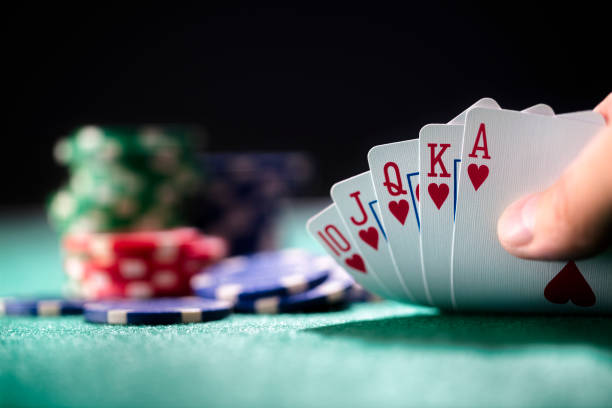
As we look at the evolution of gambling in the present day, online platforms have revolutionized the way people engage with games of chance. With just a few clicks, players can access a multitude of games ranging from traditional casino favorites to innovative new formats. The convenience of online gambling has made it an integral part of modern entertainment, attracting a diverse audience. This shift in access has also led to increased competition among operators, resulting in better services and promotions for players.
Moreover, technological advancements, such as mobile gaming applications and live dealer games, have significantly enhanced the online gambling experience. Players can now participate in real-time games with live dealers, replicating the atmosphere of a physical casino from their homes. This immersive experience has contributed to the growing popularity of online casinos, allowing individuals to enjoy their favorite games anytime, anywhere.
However, as the industry continues to expand, it faces challenges related to regulation and consumer protection. Ongoing discussions about responsible gambling practices and the need for regulatory frameworks highlight the complexities of balancing accessibility with safety. The evolution of gambling into the digital realm marks a significant chapter in its long history, reflecting both the opportunities and challenges of this dynamic and ever-changing industry.